Tuscan Heritage & Renaissance Food Halls
In 1874, architect Giuseppe Mengoni unveiled the Mercato Centrale in the San Lorenzo district of Florence. Designed using cast iron and glass inspired by Les Halles in Paris, it remains one of Italy's greatest culinary monuments, housing hundreds of multigenerational butchers, cheesemongers, and pasta artisans.
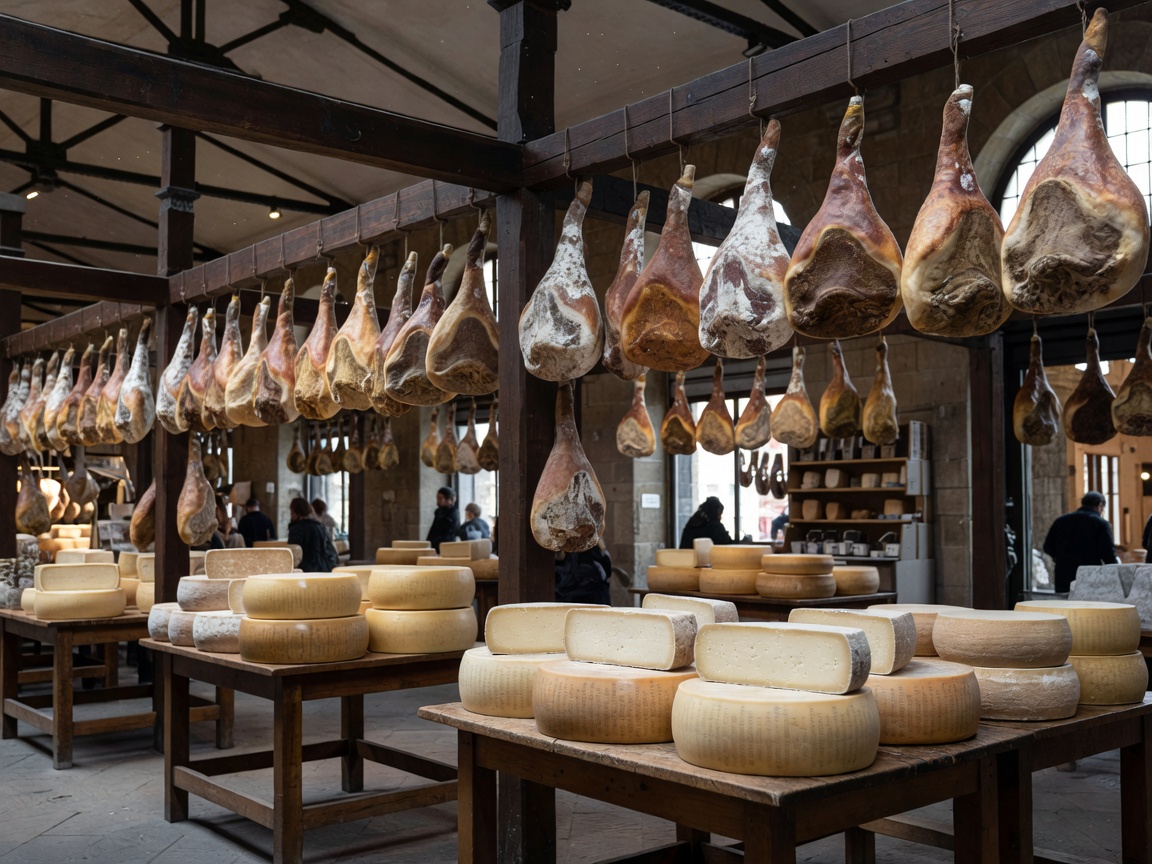
Ground Floor Traditionalists vs. First Floor Modern Hall
To experience genuine Florentine market culture, linger on the ground floor between 07:30 and 13:00. This is where Florentine grandmothers source their Chianina beef cuts for Bistecca alla Fiorentina and select hand-harvested San Miniato white truffles.
The crowning culinary staple here is the legendary Panino con il Lampredotto at Nerbone (operating continuously since 1874). Lampredotto—the fourth stomach of the cow—is slow-simmered in a broth with tomato, celery, and onion, carved onto a crusty semelle roll, and crowned with piquant salsa verde and chili oil.
Mercato Centrale Key Information
- Location: Piazza del Mercato Centrale, 50123 Florence, Italy
- Ground Floor (Fresh Market): Monday – Saturday, 07:00 – 14:00
- Upper Level (Artisan Food Court): Daily, 10:00 – 23:00
- Nearby Sights: Basilica di San Lorenzo, Medici Chapels
Sant'Ambrogio: The Local Neighborhood Sanctuary
Just a fifteen-minute stroll east of the Duomo lies Mercato di Sant'Ambrogio on Piazza Ghiberti. Less frequented by tourist crowds, Sant'Ambrogio combines an indoor produce hall with an exuberant outdoor square filled with cheap vintage clothing, Tuscan pottery, and fresh wildflowers.
What to Sample at Sant'Ambrogio
- Finocchiona Salame: A centuries-old Tuscan pork salume scented heavily with wild fennel seeds and Chianti wine.
- Pecorino di Fossa: Sheep's milk cheese aged in underground limestone pits, giving it an earthy, pungent complexity.
- Schiacciata all'Olio: Tuscan flatbread baked with generous ladles of extra virgin olive oil and flaky sea salt.